


Neonovel-Discover Every Story
4.4175.00 Reviews
App Specs
- Version
- 1.1.2
- Updated On
- License
- Free
- Downloads
- 50,000+
- Developer
- Norkus
- Categories
- Education
- Platform
- Android
Screenshots
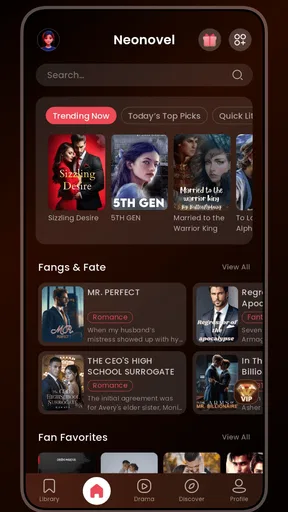
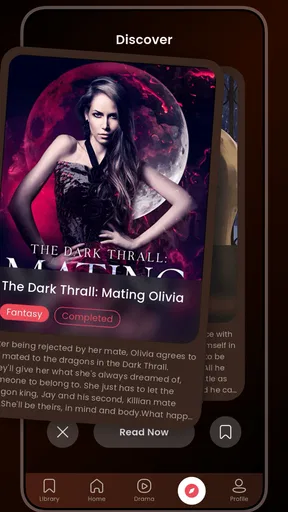
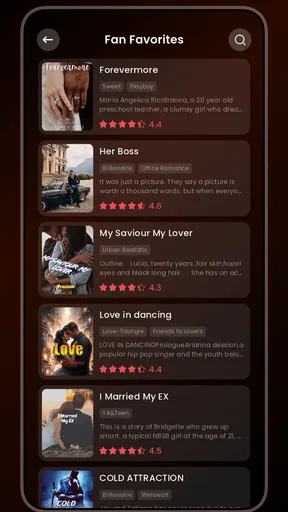
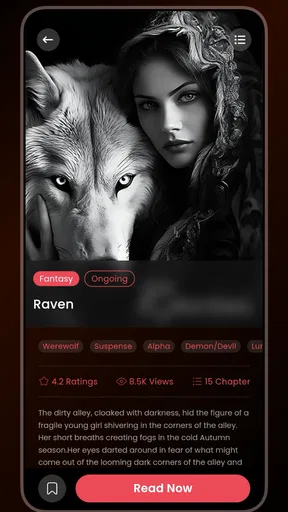
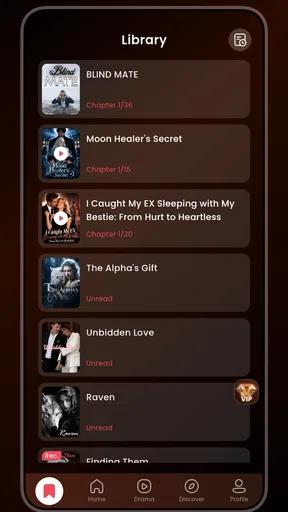
 Analysis by AppCompare
Neonovel-Discover Every Story is an education app from Norkus that takes a literary idea and places it in a more immediate, mobile-friendly setting. I approached it as something to use in short gaps during the day rather than as a replacement for a full reading platform, and that distinction matters. Its store summary focuses on enjoying and reliving favorite literary moments, while the short description simply calls it Neonovel. In practice, that points toward an experience built around revisiting story material in a compact format, with the phone becoming the place where a familiar scene can be picked up again.
What interested me most was not the promise of reading anywhere, because almost every mobile reading app makes that claim in some form. The more useful question is how the experience behaves when the connection is strong, weak, interrupted, or expensive. A story app can feel effortless on home Wi-Fi and unexpectedly awkward on a commute. My overall impression is that this is a focused choice for readers who enjoy literary content in brief sessions, but it needs to be approached with realistic expectations about mobile connectivity and the limits of a compact app format.
How the reading experience fits into everyday mobile use
I look at mobile reading as a sequence of small decisions: when to open a story, how much attention I can give it, and whether I can leave without losing my place. In this section, I focus on fitting that habit around ordinary interruptions, while keeping the practical handoffs between reading and the rest of the day in view. The next section turns to the moments when connection and context can change that routine.
A literary app designed for short returns
I found the strongest use case in the small spaces between larger activities: waiting for an appointment, taking a break, or winding down before sleep. Those moments are different from sitting down with a printed novel or a dedicated e-reader. I am usually looking for something I can enter quickly, follow without a long setup, and leave without feeling that I abandoned a serious reading session. Neonovel suits that rhythm better than a traditional book when I want a brief encounter with a story rather than a long, uninterrupted chapter.
That convenience also creates a trade-off. A phone is full of interruptions, and literary material competes with messages, notifications, and the temptation to switch applications. I would not choose this app for deep study or for a concentrated analysis of a difficult text. For those purposes, a larger screen, a physical book, or a specialist reading tool may be more comfortable. Its appeal is the ability to bring story moments into ordinary mobile routines, not to recreate every advantage of a quiet reading room.
The app belongs to the Education category, which makes sense because its value is tied to engaging with literature rather than simply consuming a casual feed. Still, I would not treat the category label as a promise that it functions like a structured course. Someone looking for lessons, quizzes, formal progress tracking, or a classroom companion should examine the experience carefully before making it their main learning tool. I see it more as an accessible literary doorway than as a complete curriculum.
What happens when connectivity is part of the experience
The most important practical consideration is the network. A connected phone makes discovery and continued use feel natural, while a poor signal can turn a quick reading break into a test of patience. When I am moving between coverage areas, I prefer apps that make their current state obvious. With a story-focused product, uncertainty is especially frustrating: I want to know whether a moment is loading, whether the app is waiting for a connection, or whether I should simply try again later.
Worth Reading Before You Choose

Flipboard Shows What News Apps Must Do Beyond the Feed

Switching to Android Auto Means Rethinking Your Driving Routine

Google Calendar Makes a Crowded Week Easier to Manage

Ludo King Makes the Most of the Minutes Between Plans

Baby Panda World Brings Quick Play to Modern Phones, but Its Game Library Feels Busy

ESPN’s Live Game View Makes Following Close Games Easier
This is where Neonovel should be judged differently from a conventional book stored on a device. A downloaded paperback does not care whether I am underground or in a crowded station. A mobile literary app may be more dependent on the conditions around me, so I would begin a session on a reliable connection if I knew I would soon be travelling. That simple habit reduces the chance of losing the flow just as a scene becomes interesting.
I also recommend opening the app before an important journey rather than assuming that a title or story moment will be immediately available everywhere. This is not a criticism of the writing itself; it is a reminder that connected experiences have a second layer beyond the content. The quality of the network becomes part of the reading rhythm, and readers who dislike that kind of uncertainty may prefer a conventional offline library or an e-reader with clearly stored books.
Using it in real mobile contexts
At home, the app is easiest to appreciate because the connection is usually stable and the phone is within reach. I can settle into a short session without planning around it. In a café or public space, the experience depends more on the local network and on how much competing activity is happening around me. I would use it there for a quick literary pause, but I would not rely on it as my only entertainment during a long trip unless I had already tested how it behaves in the conditions I expect.
On a commute, the best approach is to treat each session as a small unit. I would start when the signal is dependable, avoid closing the app unnecessarily, and leave myself enough time to stop before reaching a patchy area. That workflow sounds minor, but it changes the experience from reactive troubleshooting to deliberate reading. It is one of the less obvious lessons of using a story app on a phone: the surrounding journey can affect enjoyment almost as much as the content.
The mature audience rating also deserves attention. Neonovel is marked Mature 17+, so I would not install it for a younger reader simply because it appears in an education category. Parents and educators should consider that age classification before recommending it, especially when the intended use is school-related. The category may attract people expecting broadly suitable literary material, but the age label is the more important guide for deciding whether it belongs on a particular device.
Handling interruptions, errors, and recovery
Every mobile app eventually meets a dropped connection, a forced restart, or a session interrupted by a phone call. My preferred recovery pattern is simple: return to the same story area, check whether the app has resumed normally, and avoid repeatedly tapping if the screen appears to be waiting. Rapid repeated actions can make a temporary network delay feel like a larger failure. A calm retry after the connection settles is usually the better habit.
I would also keep the current version in mind when troubleshooting. The app is currently at version 1.1.2, so the experience may still feel like a developing product rather than a long-established reading system. That does not make it unusable, but it does make patience valuable. If a problem appears, I would first close and reopen the app, confirm that the phone has a working connection, and check whether the latest version is installed before deciding that the content itself is unavailable.
The key question for me is whether recovery returns me to the story without making me reconstruct what I was doing. Any interruption is less annoying when the app makes the next step clear. Readers who frequently use their phones in unstable coverage should test this early, not after committing to Neonovel as their primary literary library. A smooth recovery routine can make occasional failures manageable; an unclear one can undermine the entire experience.
Keeping mobile data under control
Because the app is designed for a phone and may involve connected content, I would be careful with mobile data during long sessions. On a limited plan, I would begin with Wi-Fi, watch how quickly the app becomes comfortable to use, and avoid assuming that a short visit will always remain small. The exact impact can vary with the way content is delivered and with how long I stay inside the experience, so a cautious first session is more sensible than guessing.
There is also a battery consideration, even when the reading itself feels light. A weak signal can make a phone work harder while it searches for a connection, which means a literary session in a low-coverage area may be less efficient than one on a stable network. I would not blame the app for every battery change, but I would include network quality in the overall calculation. A reader who spends hours away from charging points should plan accordingly.
For practical use, I would separate discovery from reading whenever possible. Browse and explore while connected to Wi-Fi, then use the most reliable available setup for the actual story session. This approach is especially useful for people who travel, share a mobile plan, or use an older phone. It also makes it easier to decide whether the app fits naturally into a routine before spending money on any optional items.
Free entry, optional spending, and value
Neonovel is free to install, which makes trying it straightforward. The presence of in-app purchases changes the decision slightly: individual items range from $0.99 to $99.99. That is a wide span, so I would pay attention to each purchase screen and avoid treating the free download as a guarantee that every part of the experience will remain free. The sensible approach is to explore first, understand what is available without payment, and only then decide whether an optional purchase adds enough value for my reading habits.
I would be particularly cautious about buying anything during a rushed session on a train or while distracted. Network delays and small screens are not ideal conditions for making spending decisions. If the app becomes part of a regular routine, I would set a personal limit before purchasing rather than deciding item by item in the moment. That is useful advice for any app with optional content, but it matters here because the upper end of the listed range is substantially different from a small one-time experiment.
Compared with a public library app, Neonovel may feel more immediate and more centered on a particular literary presentation, while a library service is usually better for borrowing complete books and managing a broad catalogue. Compared with a standard e-reader, it offers the convenience of a phone but not necessarily the calm, single-purpose environment of dedicated reading hardware. Compared with general educational apps, its literary focus is more distinctive, but it may be less suitable for users who need lessons, exercises, or measurable academic progress.
Who will enjoy it, and who should choose something else
I would recommend giving it a try if you like returning to memorable literary scenes, prefer short mobile sessions, and are comfortable treating connectivity as part of the experience. It is also a reasonable option for someone who finds a full novel intimidating but still wants a regular contact point with stories. The free entry makes that experiment relatively easy, provided the mature age rating fits the intended user and optional purchases are handled deliberately.
I would steer a younger reader, a formal student, or anyone seeking a complete study system toward a different tool. The same applies to people who need dependable access in places with poor reception. An offline-first reading app, a library service with clearly stored loans, or a dedicated e-reader would be a better match for those priorities. I would also hesitate to recommend Neonovel as the only reading app for someone who wants a huge, conventional book collection rather than a more focused way to revisit literary moments.
One useful test is to imagine a normal week rather than an ideal session. If your reading happens mainly at home or in places with dependable Wi-Fi, the connection issue may be minor. If you read in tunnels, rural areas, flights, or crowded venues, it becomes central. Likewise, if you value atmosphere and quick access, a phone can be an advantage; if you value uninterrupted concentration, the phone itself may be the problem.
My verdict on the connected reading experience
After looking at the app through the realities of mobile use, I see Neonovel as a specific kind of education app rather than a universal reading solution. Its strongest idea is bringing literary moments into the small spaces where people already use their phones. That can make stories feel more approachable and easier to revisit, especially for readers who do not want every session to become a major commitment.
The compromises are equally clear. Connectivity can influence the flow, mobile data deserves attention, and the mature rating limits the audience. The optional purchase range also means that I would explore carefully before spending. None of those points automatically rules the app out, but they should shape how it is installed and used. A reliable connection, a suitable age group, and sensible purchase habits create a much better starting point.
Norkus has positioned this release in an interesting space between literary discovery and mobile education. Its average rating is 4.4 from over 700 ratings, with more than 170 written reviews, and it has passed 50 thousand installs. Those figures suggest that the concept has found an audience, while the relatively early version number reminds me to judge it as a product that can still evolve. I would not install it expecting the breadth of a major reading ecosystem. I would install it to see whether its way of presenting familiar story experiences fits my daily rhythm.
My final recommendation is positive but conditional: try it on a stable connection, spend time learning how it behaves before travelling, and decide whether its compact literary approach is what you actually want. The best reason to choose Neonovel is not simply that it is free; it is that it can turn a few spare minutes into a deliberate return to a story. If offline certainty, deep study tools, or a broad book catalogue matter more to you, another reading option will be the better companion.
Pros
- Large library of serialized stories across multiple genres.
- Personalized recommendations help users find new fiction quickly.
- Regular updates keep ongoing stories fresh and engaging.
- Simple interface makes browsing and reading easy for newcomers.
- Many stories offer immersive
- dialogue-focused reading experiences.
Cons
- Some chapters or premium stories may require in-app purchases.
- Story quality can vary considerably between different authors.
- Frequent notifications may feel intrusive for some readers.
- Offline reading options may be limited for certain content.
- The app may use substantial storage as downloaded chapters accumulate.
FAQs for Neonovel-Discover Every Story
What is Neonovel – Discover Every Story?
Neonovel is a mobile reading and storytelling app designed for users who enjoy serialized fiction, romance, fantasy, drama, and other popular genres. Stories are generally presented in short, easy-to-read chapters, making the app convenient for quick reading sessions. Depending on the title, you may also find interactive elements, reader engagement features, or regularly updated episodes from ongoing stories.
Is Neonovel free to download and use?
Neonovel can typically be downloaded for free, but access to all content may not be completely free. Some chapters or premium stories can require in-app currency, subscriptions, advertisements, or other purchases. Before spending money, check the pricing shown inside the app and review whether a title offers free chapters, daily rewards, or alternative ways to unlock additional content.
Does Neonovel require an internet connection?
An internet connection is generally needed to browse the catalog, load new chapters, synchronize your reading progress, and access account-related features. Some content may be temporarily available for offline reading if the app provides a download option, although this can vary by story and device. It is best to confirm offline availability directly within each title before traveling or reading without mobile data.
What types of stories can I read on Neonovel?
The app focuses mainly on digital fiction and serialized stories, with choices commonly including romance, fantasy, mystery, drama, science fiction, and other entertainment-oriented categories. The exact selection may change as new titles are added or removed. Because stories can differ considerably in tone and themes, readers should review the description, genre labels, and any content warnings before starting a book.
Is Neonovel suitable for children and teenagers?
Neonovel may contain stories involving mature romance, violence, strong emotional situations, or other themes that are not appropriate for younger readers. Its suitability depends on the specific title, the age rating displayed in the app store, and the content information provided for each story. Parents should review the app’s rating, supervise purchases, and use available device restrictions when necessary.


